

 Cost calculator
 2023-06-12
How to choose high-quality granite facing tiles for your home
If you are planning to update the appearance of your home or create a new interior design, then granite facing tiles can be an excellent choice. However, in order to choose a high-quality material, several factors need to be considered. In this article, we will explain how to choose granite facing tiles for your home and provide you with some tips and recommendations.
Quality material check
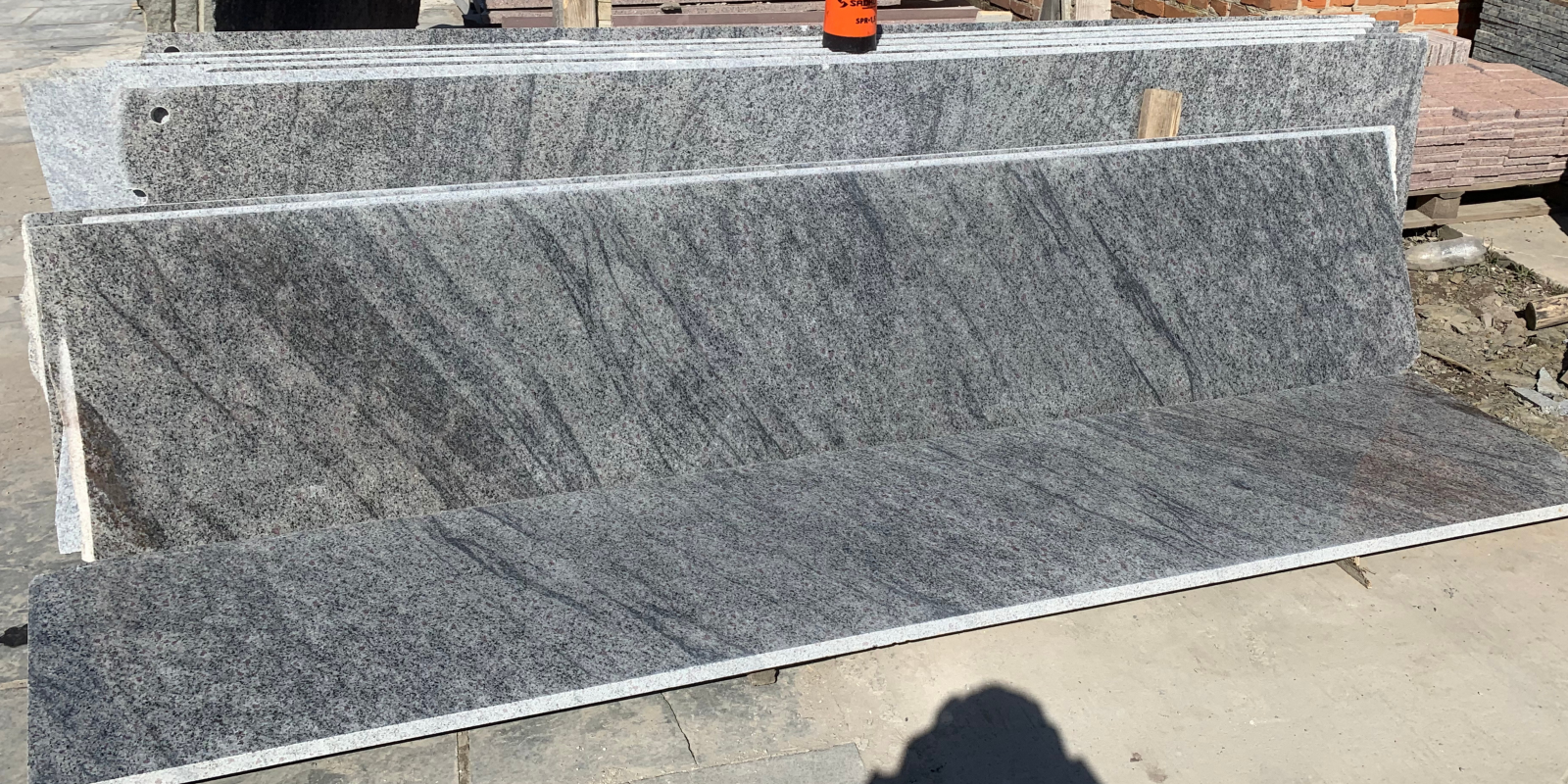
Before purchasing granite facing tiles, it is necessary to ensure their quality. One of the most important factors to consider when choosing granite tiles is their quality. Granite should be uniform, without cracks or chips. When inspecting samples, attention should be paid to the presence of stains and uneven coloring, as this may indicate impurities in the material.
It is also important to pay attention to the degree of porosity of the granite, as highly porous granite may be less wear-resistant and require more frequent maintenance. Porous surfaces of granite can retain water and dirt marks, which can be very difficult to remove.
If you are unsure about the quality of granite tiles, it is recommended to consult a professional stonemason or granite specialist who can help you make the right choice. Remember that choosing the right material is an important step in creating a durable and beautiful interior and exterior design for your home.
Choosing a color that matches the interior
When selecting granite tiles for your home, color is one of the most important factors to consider. The color of the granite can set the overall atmosphere and feeling of space in the room, so it is important to choose a color that matches the interior and creates the desired mood.
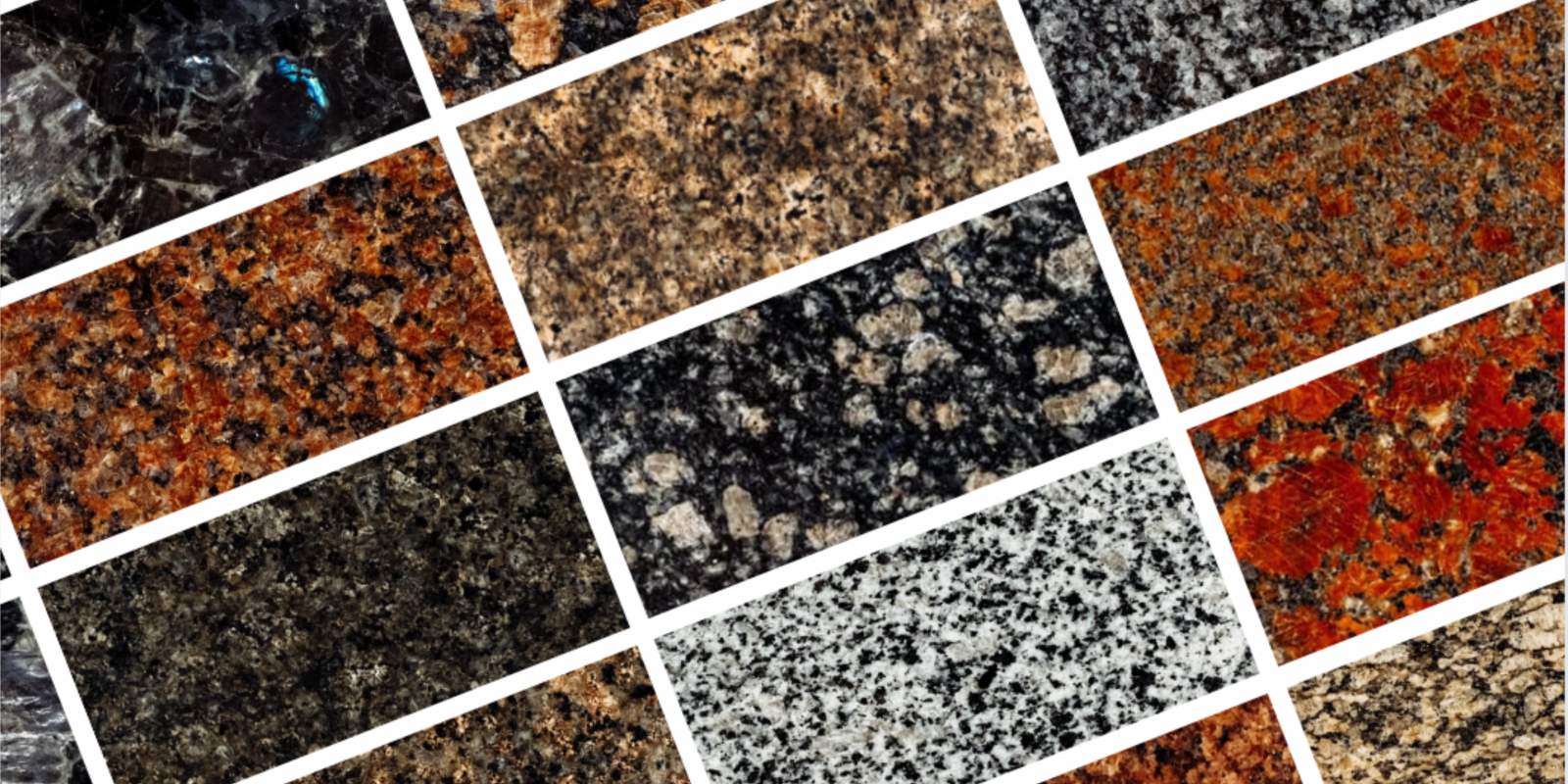
Before choosing the color of granite for wall or floor cladding, it is necessary to take into account the color of other elements in the interior, such as furniture, decor, wallpaper, or paint on the walls. It is recommended to choose a granite color that harmonizes with the color of other elements.
In addition, the lighting in the room should be considered as the color of the granite can vary depending on the light. Before purchasing, it is recommended to view samples of tiles in different lighting conditions to ensure the color choice.
It should also be remembered that some granite colors may become trendy but quickly become outdated. It is better to choose a color that will remain relevant for a long time and will match your style and preferences.
Thickness of tiles depending on the installation location
The thickness of granite tiles may vary depending on the installation location and purpose. Thicker tiles are recommended for external walls to ensure better wear resistance and resistance to atmospheric effects. Tiles with a thickness of 20 to 30 mm are usually used for such purposes.
Thinner tiles can be chosen for internal finishing. These are usually tiles with a thickness of 10 to 20 mm. They are suitable for finishing walls, floors, and other surfaces inside buildings where granite is used as a decorative element. However, it should be noted that thin tiles may be less wear-resistant than thick tiles, so proper laying and care are necessary.
It is important to consider not only the installation location but also the conditions of tile use. For example, thicker tiles should be chosen for floors in high-traffic areas such as shopping centers or airports, which can withstand heavy loads and will not be damaged during intensive use. At the same time, thinner tiles can be chosen for bathrooms or kitchens, which are easier to install and do not create additional weight on the walls.
Installation of Granite Tiles
After selecting suitable granite tiles, it is equally important to install them correctly. An experienced professional should know all the nuances of installing granite tiles to ensure the durability and safety of your home.
The first step is to check the surface on which the tiles will be installed. It should be flat and clean, otherwise unexpected problems may arise during the installation.
Next, it is necessary to choose the method of laying. There are several ways to lay granite tiles, such as laying them in a diamond pattern, chessboard pattern, or in staggered rows. The method of laying is chosen depending on the size of the tiles, the interior of the room, and your personal preferences.
.png)
When installing granite tiles, it is important to ensure the correct positioning of each tile. The optimal method is to use a level and measuring tapes to ensure the correct placement of the tiles.
It is also important to provide the correct spacing between the tiles to prevent damage due to impacts, expansion, or contraction of the material during different seasons.
After installing the tiles, it is necessary to treat the joints and the surface of the granite to provide additional protection and preserve the appearance of the tiles for a long time.
It is important to note that the installation of granite tiles is a complex and responsible process that requires experience and professional knowledge. It is best to consult with experienced specialists to avoid possible errors and problems in the future.
Conclusion
Choosing high-quality granite tiles is an important step in creating a beautiful design for your home. Don't forget to pay attention to the quality of the material, choose a color that matches the interior, consider the installation location, and check the degree of wear resistance. In addition, be sure to consult with professionals for the installation of granite tiles to ensure proper installation and maximum lifespan.


