

 Cost calculator
 2023-10-10
Using adhesive for granite tiles: which is the best?
Granite tile is a strong and durable material that is widely used in construction and decoration. However, in order for granite tile to be installed firmly and reliably, it is necessary to choose the right adhesive for its installation.

Types of glue for granite tiles: comparison of properties and application
On the market there are different types of adhesives for laying granite tiles, each of which has its own properties and features of application. Let's consider the most popular types of adhesives:
- Cement-sand glue (Ceresit, Litokol, Knauf, Budmix)-the most common type of glue for laying granite tiles. It has good adhesion, high strength and has water repellent properties. However, it has a significant disadvantage - curing time, which can reach 48 hours.
- Epoxy adhesive (Mapei, Sika, Kiesel Bauchemie, Basf) - used for laying granite tiles on horizontal surfaces such as floors. This adhesive has high strength, fast curing and water repellent properties. However, it requires careful surface preparation and can also discolor granite.
- Acrylic glue (Knauf, Ceresit CM 117, LITOKOL (AKRILATEX)) - is used for laying granite tiles on vertical surfaces such as walls. It has fast curing but lower strength than cement-sand adhesive. However, it has good anti-corrosion properties and does not discolor granite.
- Gypsum-based adhesive - used for laying granite tiles on ceilings. It has a fast curing, but does not have enough strength for laying granite tiles on floors or walls. Gypsum-based adhesives are not recommended for granite tile installation because granite is a high density and weight material and requires an adhesive with high strength and water resistance. Glue based on gypsum may not be able to withstand the load of granite tiles and do not provide sufficient strength of the connection. Therefore, it is recommended to use only cement-sand, epoxy or acrylic adhesives for granite tiles.
Preparation of the surface before laying granite tiles: rules and recommendations
Before laying granite tiles, it is necessary to carefully prepare the surface. If the rules of preparation are not observed, the glue may not adhere to the surface, which will lead to instability of the granite tile.
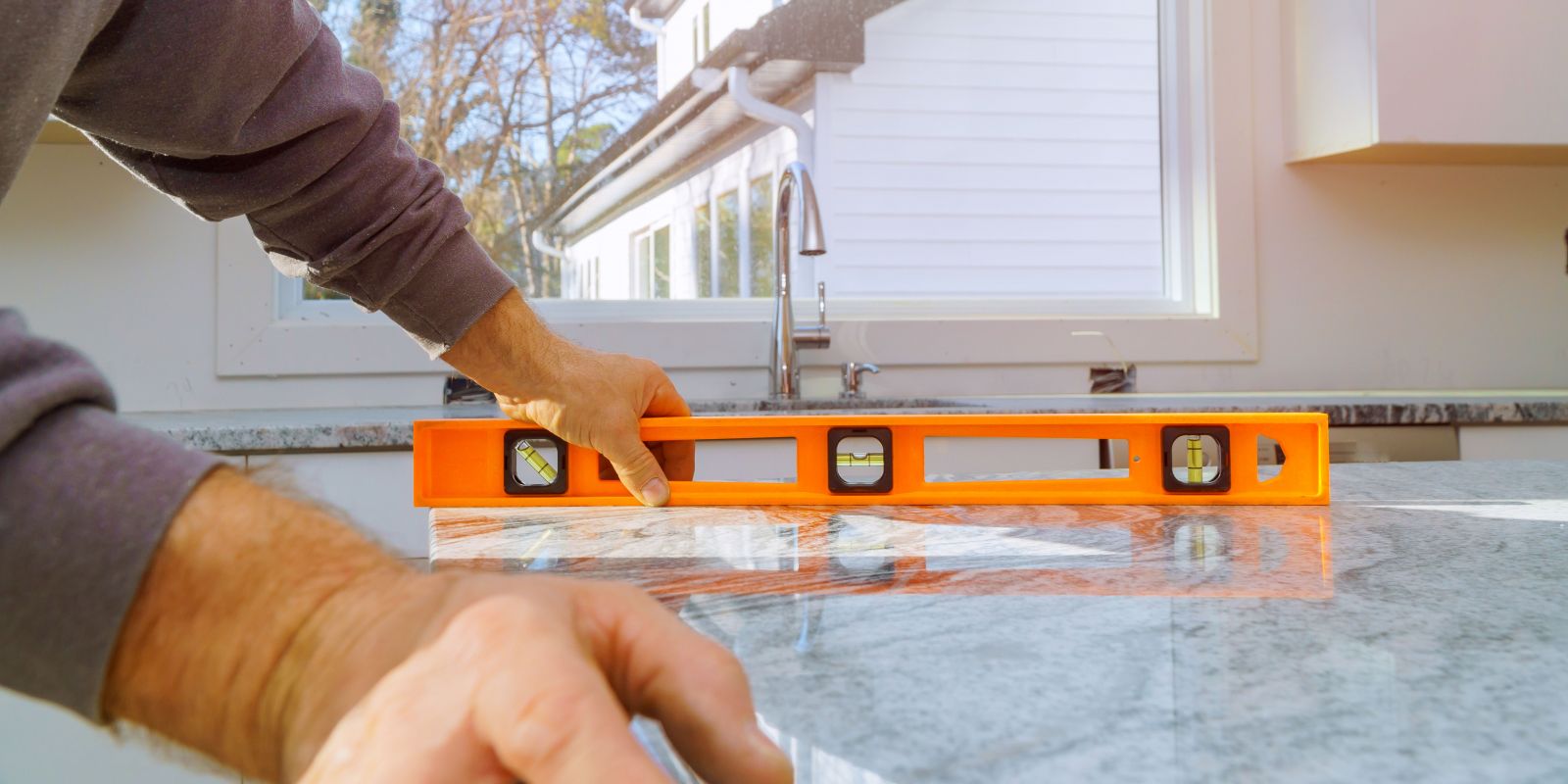
The first step is to clean the surface from any dirt and remnants of old coating. The surface should then be leveled and sanded to create a perfectly flat substrate.
Once the surface is prepared, the surface should be soaked with a primer to increase adhesion between the surface and the adhesive. It is recommended to use a primer that corresponds to the type of surface and type of adhesive.
Technology of laying granite tiles with the use of glue: step by step
Before you start laying granite tiles, you need to prepare all the necessary tools and materials, including the chosen laying adhesive.
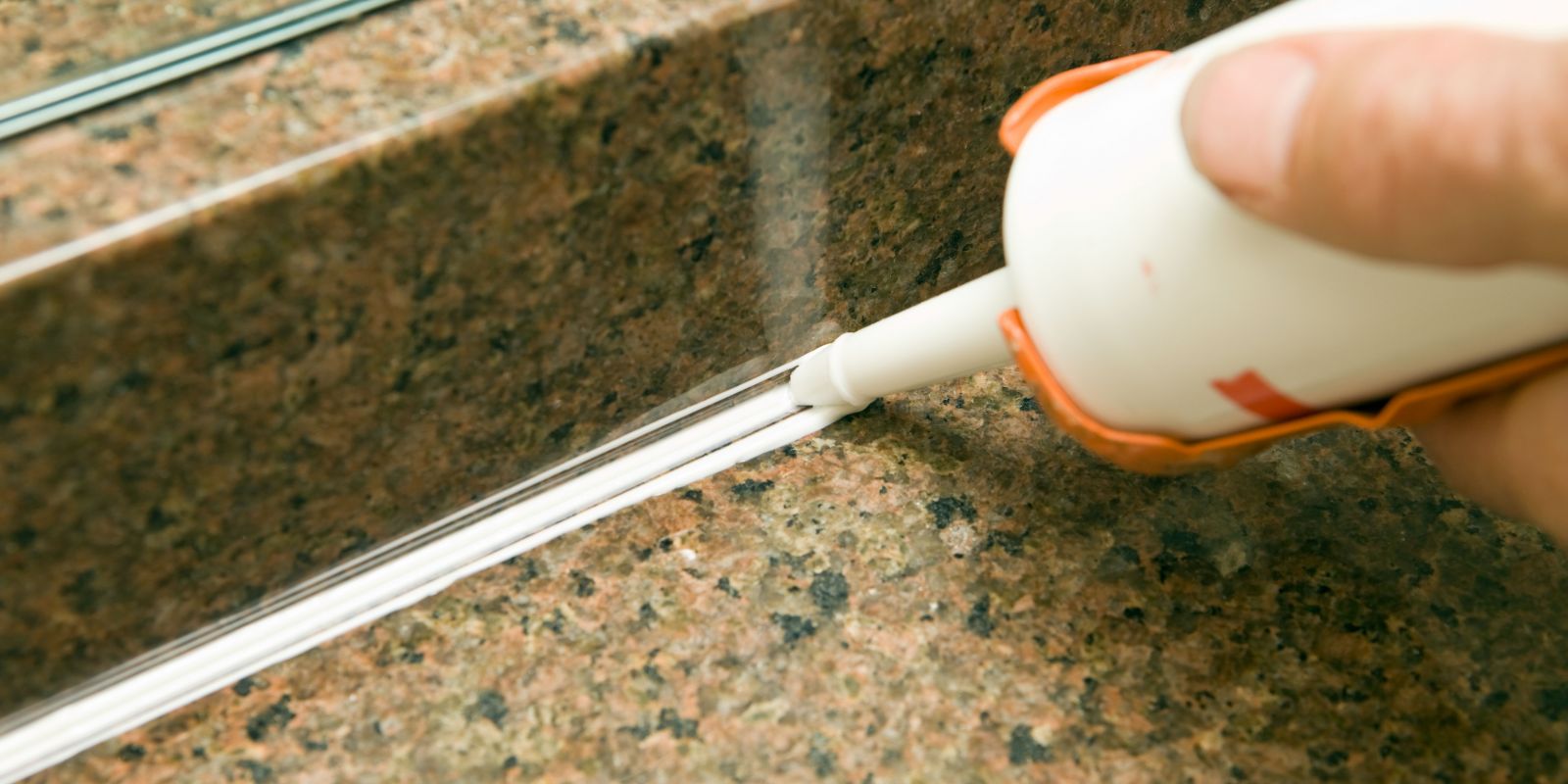
Step 1: Applying the adhesive to the surface. The adhesive is applied to the surface using a serrated trowel. The size of the toothed trowel should match the size of the granite tile and should be chosen according to the adhesive manufacturer's recommendations.
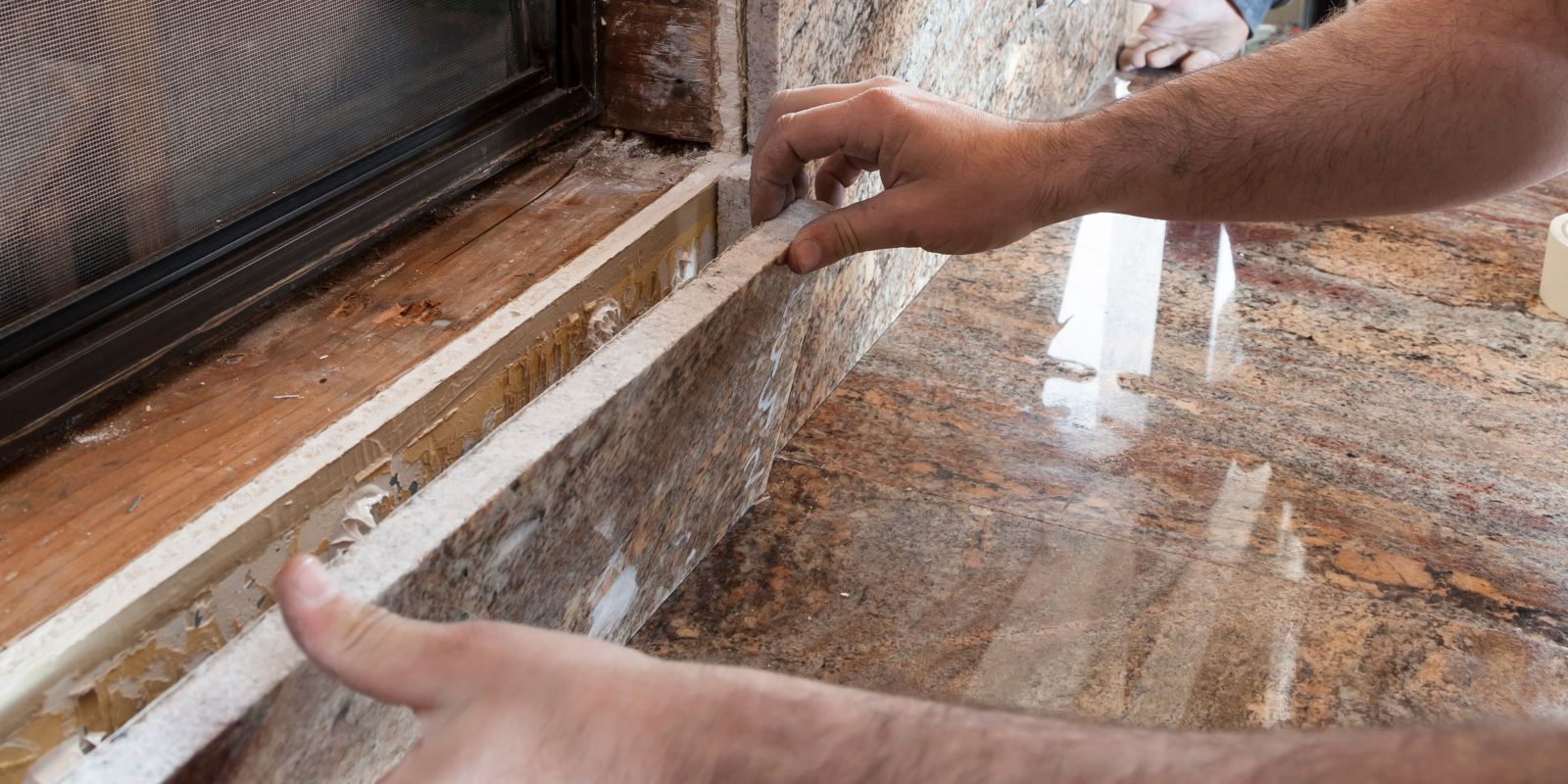
Step 2: Granite Tile Laying. The granite tile is laid on the surface, pressing firmly against the adhesive and level.
Step 3: Finishing the joints. The joints between granite tiles are filled with a special mortar, which is chosen according to the type of surface and type of adhesive. After filling the seams, excess mortar is removed from the surface with a sponge or cloth.
Step 4: Drying. After laying granite tiles, you should let the adhesive dry completely, according to the manufacturer's recommendations.
Mistakes when applying glue for granite tiles: how to avoid them
Mistakes when applying glue for granite tiles can lead to instability of granite tiles, its delamination or deformation. The most common mistakes when applying glue for granite tiles:
- Incorrect ratio of adhesive and water. If an inappropriate ratio is used, the adhesive may not hold the granite tile firmly enough or, on the contrary, too hard, which can lead to cracks and deformation of the granite tile.
- Insufficient preparation of the surface before laying. The presence of loose material, old coating, grease or dirt on the surface can lead to the fact that the glue will not be able to firmly fix the granite tile.
- Improper adhesive selection for a particular surface or type of granite tile. Different surfaces and granite tiles may require different types of adhesive, and the wrong choice may result in poor adhesion or deformation of the granite tile.
- Insufficient adhesive thickness. A layer of adhesive that is too thin may not hold granite tiles firmly enough, especially if the surface was not sufficiently leveled before laying.
- Improper granite tile installation techniques. Incorrect application of adhesive, wrong choice of toothed trowel, improper leveling of granite tiles, improper filling of joints - all these can lead to instability of granite tiles.
Care for granite tiles, glued with glue: recommendations for use
After laying granite tiles, it is necessary to monitor its condition and properly care for it, in order to preserve its beauty and durability. Some recommendations for the care of granite tiles glued with the help of adhesive:
- Regularly clean the surface of the granite tile from dirt and dust. Use a soft cloth or sponge to avoid scratching the surface.
- Do not use abrasive products to clean granite tiles, such as powders or stiff brushes. They can damage the surface of the granite tile.
- Avoid getting harsh chemicals such as acids or solvents on your granite tiles. They can break down the adhesive and damage the surface of the granite tile.
- If necessary, use special products for cleaning granite tiles. Consult the granite tile manufacturer or professionals to choose the right products.
- Avoid acute mechanical stress on granite tiles. Do not place heavy objects on the granite tile, do not fall on it with sharp objects, do not use it as a countertop for cutting products.
- If necessary, replace damaged granite tiles. If the granite tile has been damaged or has begun to peel from the surface, you should replace it as soon as possible.
Conclusions
Choosing the right granite tile adhesive is a very important aspect of granite tile installation. There are many types of granite tile adhesive, and each has its own advantages and disadvantages. Choosing the right adhesive depends on the type of granite tile, the type of surface it will be laid on, and other factors. In addition to the choice of adhesive, it is also important to properly prepare the surface, use proper installation techniques and properly care for the granite tile after installation. Following the recommendations in this article, you will be able to choose the right adhesive for granite tiles and achieve a strong and durable installation.


