

 Cost calculator
 2024-02-18
Methods of laying granite paving stones
Granite paving stones are a popular choice for homeowners and contractors alike because of their durability, aesthetic appeal, and low maintenance requirements. However, in order for your granite paving stones to be installed properly and last for years to come, it is important to use the right materials and follow proper installation techniques. In this article, we will discuss the most common granite paving stone installation methods, including sand, crushed stone, concrete, and aggregate paving.
The material that is the base of granite paving stones
Before we discuss the different methods of laying granite paving stones, it is important to understand the material that makes up the stones themselves. Granite is a natural stone that is quarried from quarries around the world. It is an igneous rock formed by the cooling of molten magma deep within the Earth's crust. Granite is known for its strength, durability and resistance to weathering and erosion.
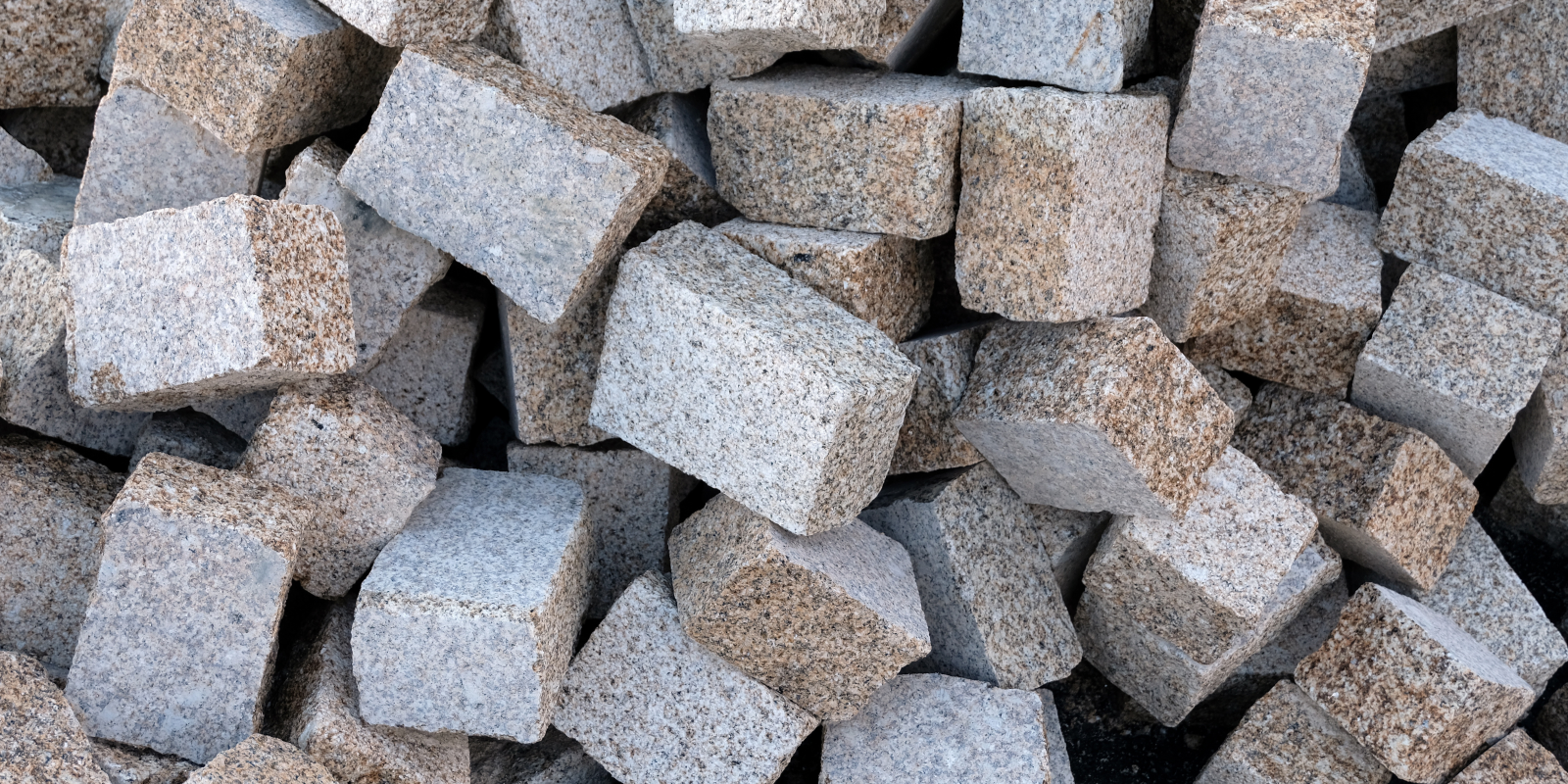
Granite paving stones are made by cutting large granite slabs into smaller, more manageable sizes. The stones are usually square or rectangular in shape and come in different sizes and thicknesses. They can be treated differently, such as polished, polished or fired, to give them a different appearance and provide additional slip resistance.
Laying granite paving stone on sand
One of the most common ways of laying granite paving stone is laying it on a sand cushion. This method is relatively simple and straightforward, and can be accomplished by a home handyman with some basic knowledge and tools. The process involves excavating the area where the stones will be laid, adding a layer of sand, and then placing the stones on top of the sand cushion.
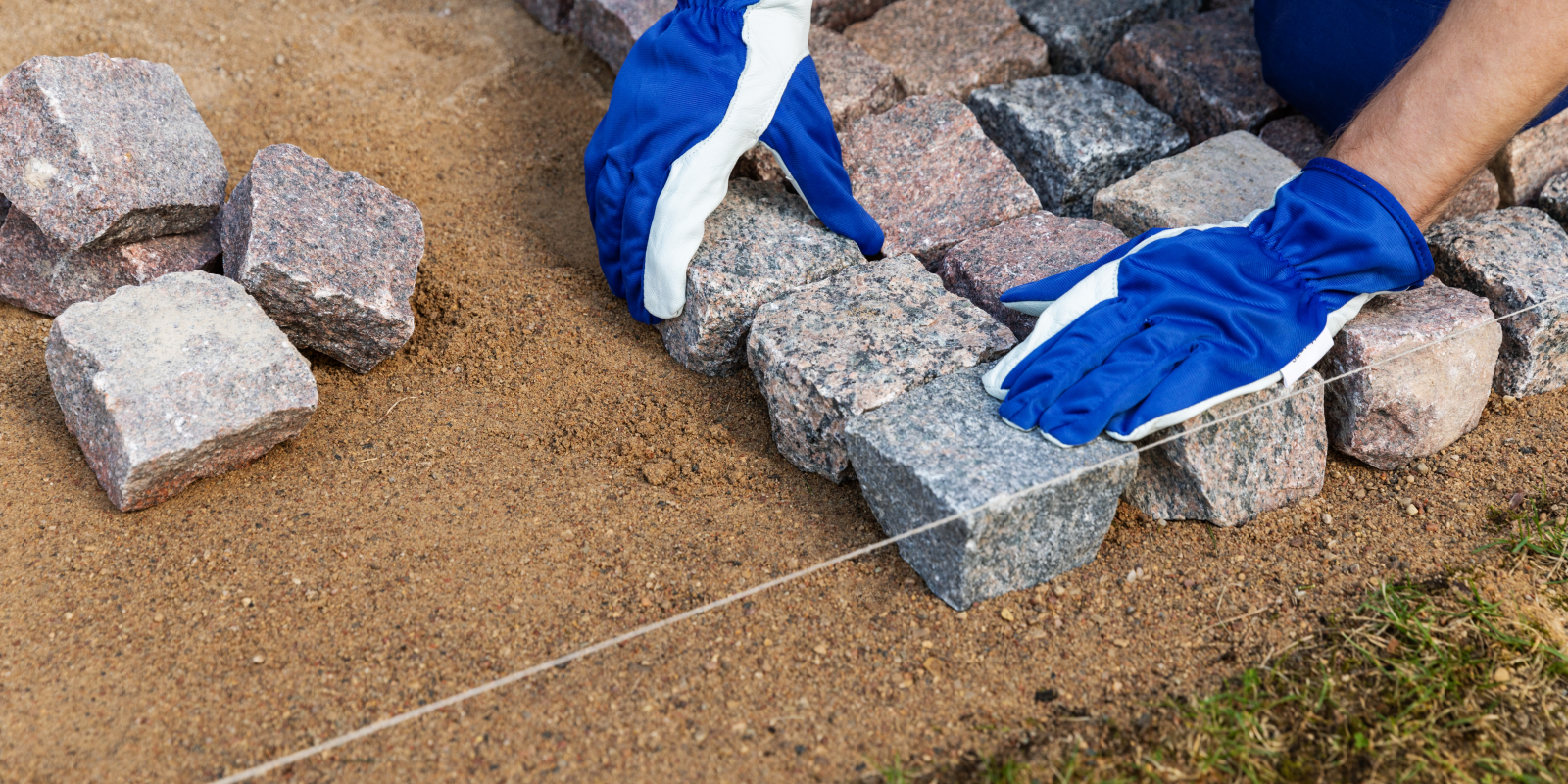
Advantages:
- This method is relatively inexpensive because it does not require expensive materials or specialized equipment.
- The sand cushion allows for some flexibility and movement, which can help prevent the stones from cracking or shifting over time.
- This method allows for relatively easy repair or replacement, as individual stones can be lifted and reinstalled if they are damaged or uneven.
Disadvantages:
- Over time, the sand cushion can compact and settle, which can cause the stones to become uneven or sag.
- This method is not suitable for high-traffic areas or areas with heavy vehicles, as the stones may shift or sink under the weight of traffic.
- The sand cushion can provide a habitat for weed growth and other vegetation that is difficult to control and may require frequent maintenance.
Laying granite paving stone on a crushed stone base
Another popular method of laying granite paving stones is laying them on a crushed stone base. This method involves digging up the area where the stones will be laid, adding a layer of crushed stone, and then compacting it to create a solid base for the paving stones.
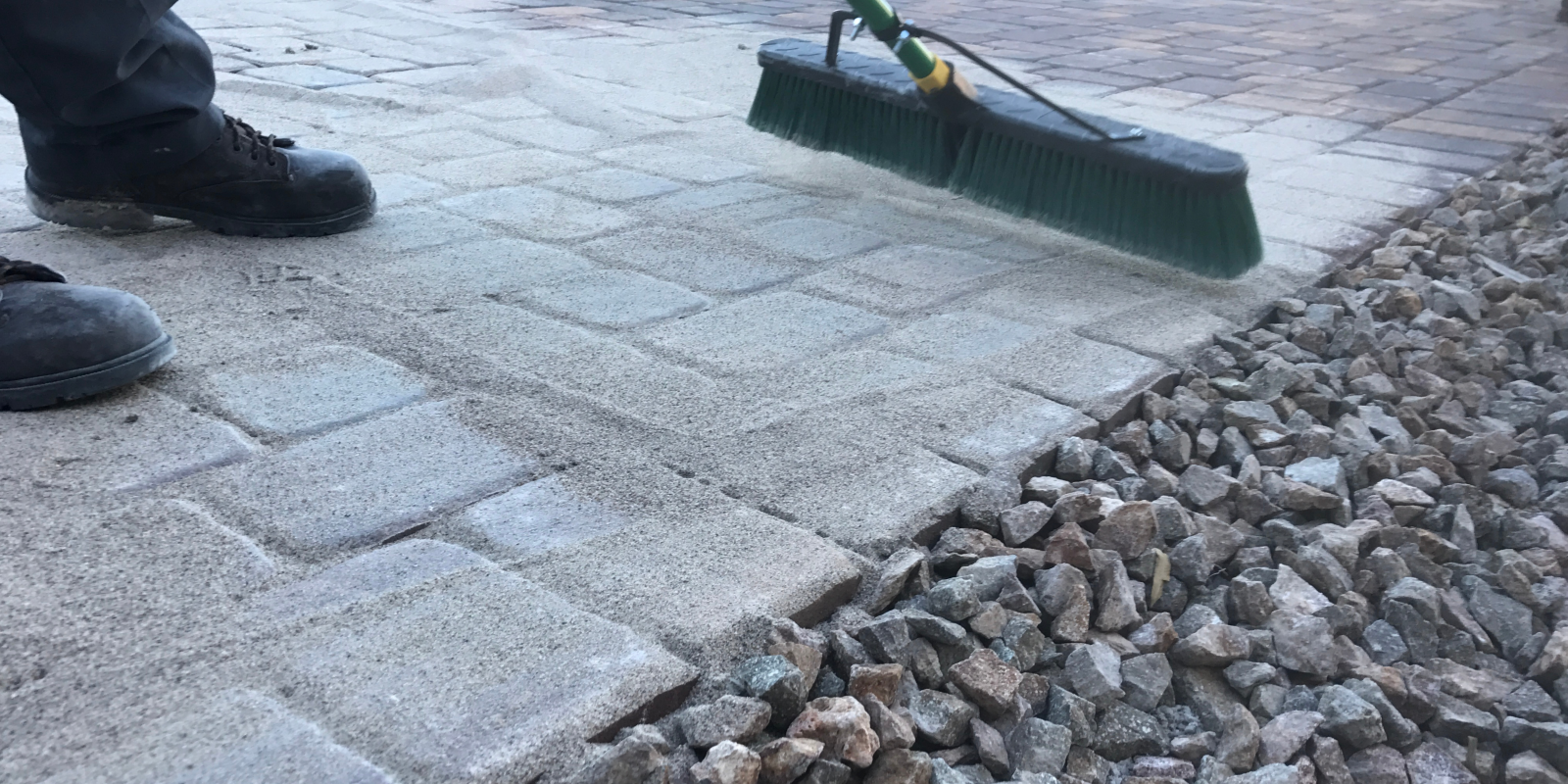
Benefits:
- A crushed stone base provides a stable and strong foundation for the stones, which can help prevent cracking or shifting over time.
- This method is suitable for high-traffic areas and areas with heavy vehicles, as the stones are less likely to shift or settle under the weight of traffic.
- A crushed stone base provides proper drainage, which can help prevent water from accumulating and damaging the stones or underlying soil.
Disadvantages:
- This method can be more expensive than laying paving stones on sand because it requires additional materials and specialized equipment.
- A crushed stone base is less forgiving than a sand bed and is more difficult to repair or replace if the stones are damaged or uneven.
- Compacted crushed stone can provide a growing medium for weeds and other vegetation that can be difficult to control and may require frequent maintenance.
Laying granite paving stones on concrete
Paving granite paving stones on concrete is another popular method that provides a strong and durable surface. This method involves pouring a concrete slab and then laying the stones on top of the slab.
Advantages:
- This method provides a strong and stable surface for the stones, which can help prevent cracking or shifting over time.
- The concrete slab is suitable for high-traffic areas and areas with heavy vehicles because it can support the weight of traffic without sagging or shifting.
- This method provides a wide range of design possibilities, as the concrete slab can be colored or stamped to create different patterns and textures.
Disadvantages:
- This method can be more expensive than other methods because it requires specialized equipment and materials.
- A concrete slab may be less forgiving than a sand pad or crushed stone base, and may be more difficult to repair or replace if the stones are damaged or uneven.
- A concrete slab may need extra time to cure before the stones are laid, which can delay the installation process.
Laying granite paving stones on top of the sift
Granite paving for screening is a method that involves laying stones on a bed of gravel or pebbles. This method is often used for decorative purposes, such as creating sidewalks or garden paths.
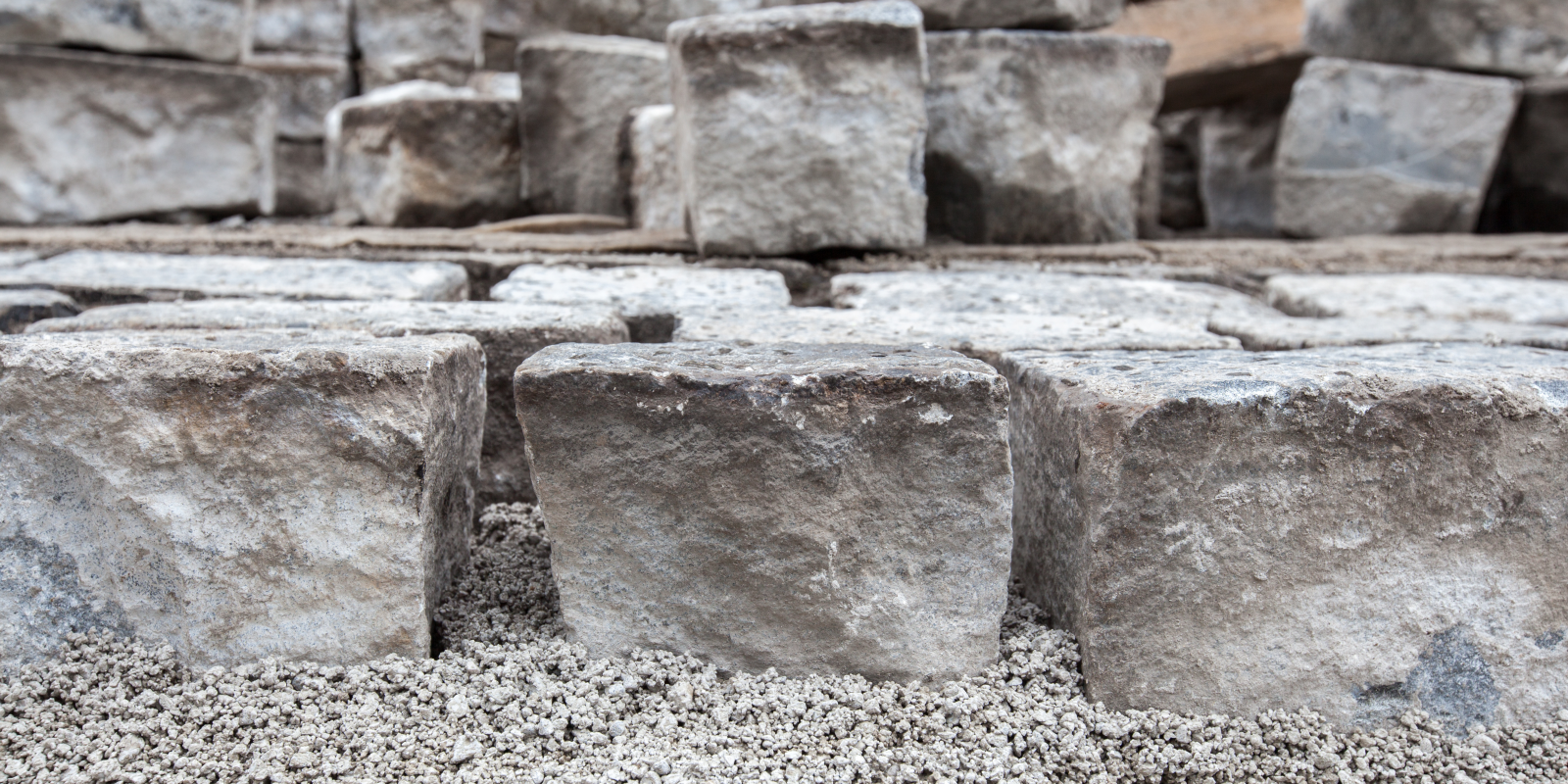
Advantages:
- This method is relatively inexpensive and easy to install because it does not require specialized equipment or materials.
- A layer of gravel or pebbles provides a porous and permeable surface that allows for proper drainage and can help prevent water from accumulating and damaging the stones or underlying soil.
- This method is suitable for decorative purposes, as gravel or pebbles can complement the color and texture of granite pavers.
Disadvantages:
- This method is not suitable for high-traffic areas or areas with heavy vehicles, as the stones may shift or sink under the weight of traffic.
- Gravel or pebbles may shift over time, which can cause the stones to become uneven or settle.
- This method may require frequent maintenance to keep the gravel or pebbles in place and prevent the growth of weeds and other vegetation.
Conclusion
When it comes to laying granite paving stones, there is no one-size-fits-all method. The best method will depend on many factors, including the intended use of the area, traffic levels, and climate and weather conditions. Each method has its own advantages and disadvantages, and it is important to carefully consider these factors before making a decision.
Generally, laying granite paving stones on a crushed stone or concrete slab base will provide the strongest and most durable surface, while laying stones on sand or sift may be more suitable for decorative purposes or in areas with less traffic. Whichever method you choose, it is important to ensure that the stones are installed correctly and that the base underneath is strong and stable to prevent cracking, shifting or subsidence over time.


