

 Cost calculator
 2024-02-02
Polishing granite with your own hands at home
Granite is a favorite material for kitchen countertops, bathrooms, floors and walls. Granite has unrivaled strength, durability and longevity. However, over time, granite surfaces can lose their original shine, they can appear scratches, scuffs and other damage. In this case, it is necessary to polish the granite. In this article we will consider the technology of polishing granite with their own hands at home.
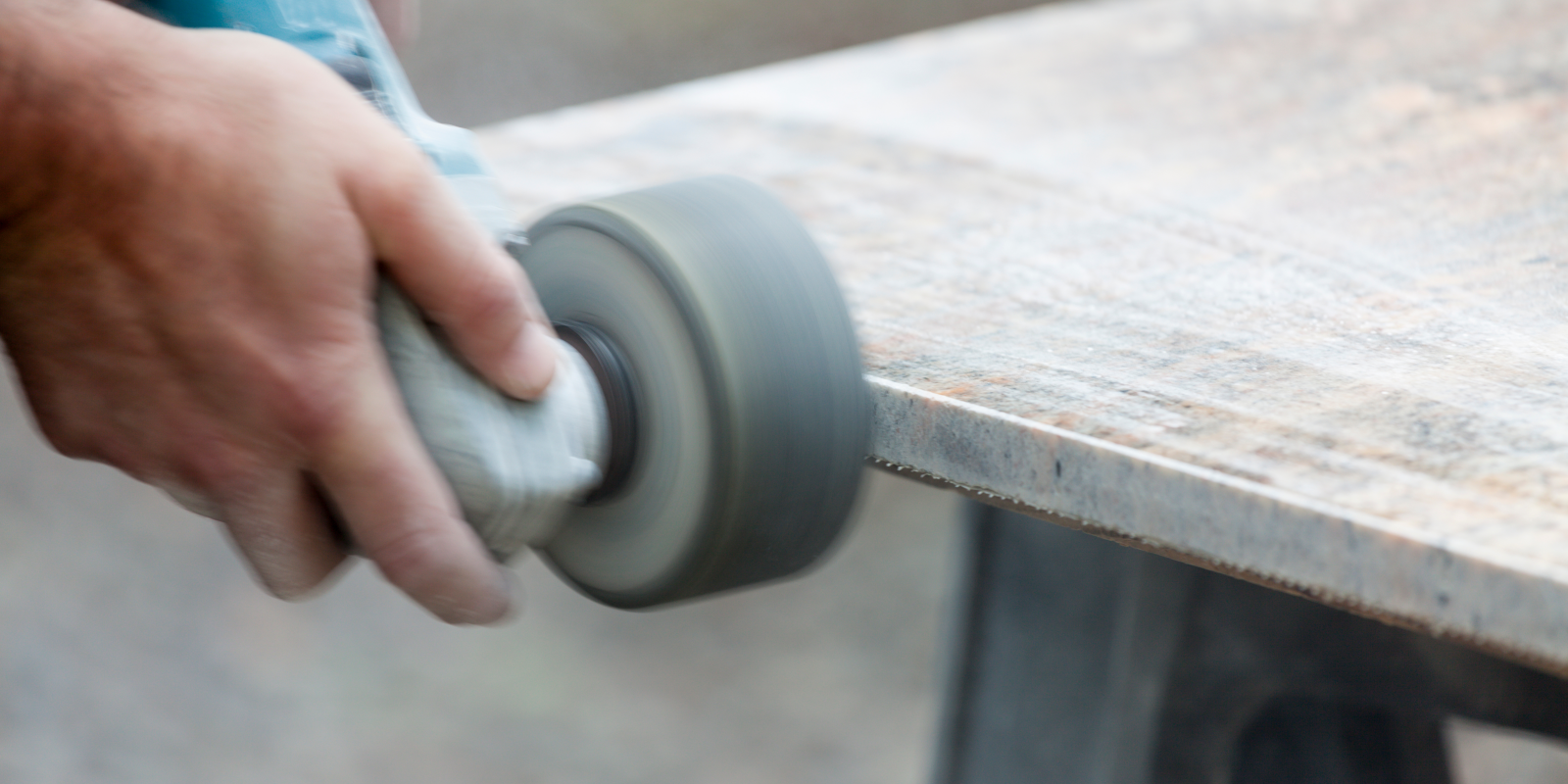
What damage do granite surfaces receive in the course of operation?
Granite, as a material, is often used in architecture. Its beautiful appearance and durability attract designers, architects and homeowners. Granite is often used to create countertops, floors, stairs, wall cladding, fireplaces and fountains. But as these products are used, they can lose their luster and beauty.
Granite can be susceptible to scratches, scuffs, chips, stains from dyes and oils, and other damage. In addition, water marks can remain on granite, which can cause white spots on the surface.
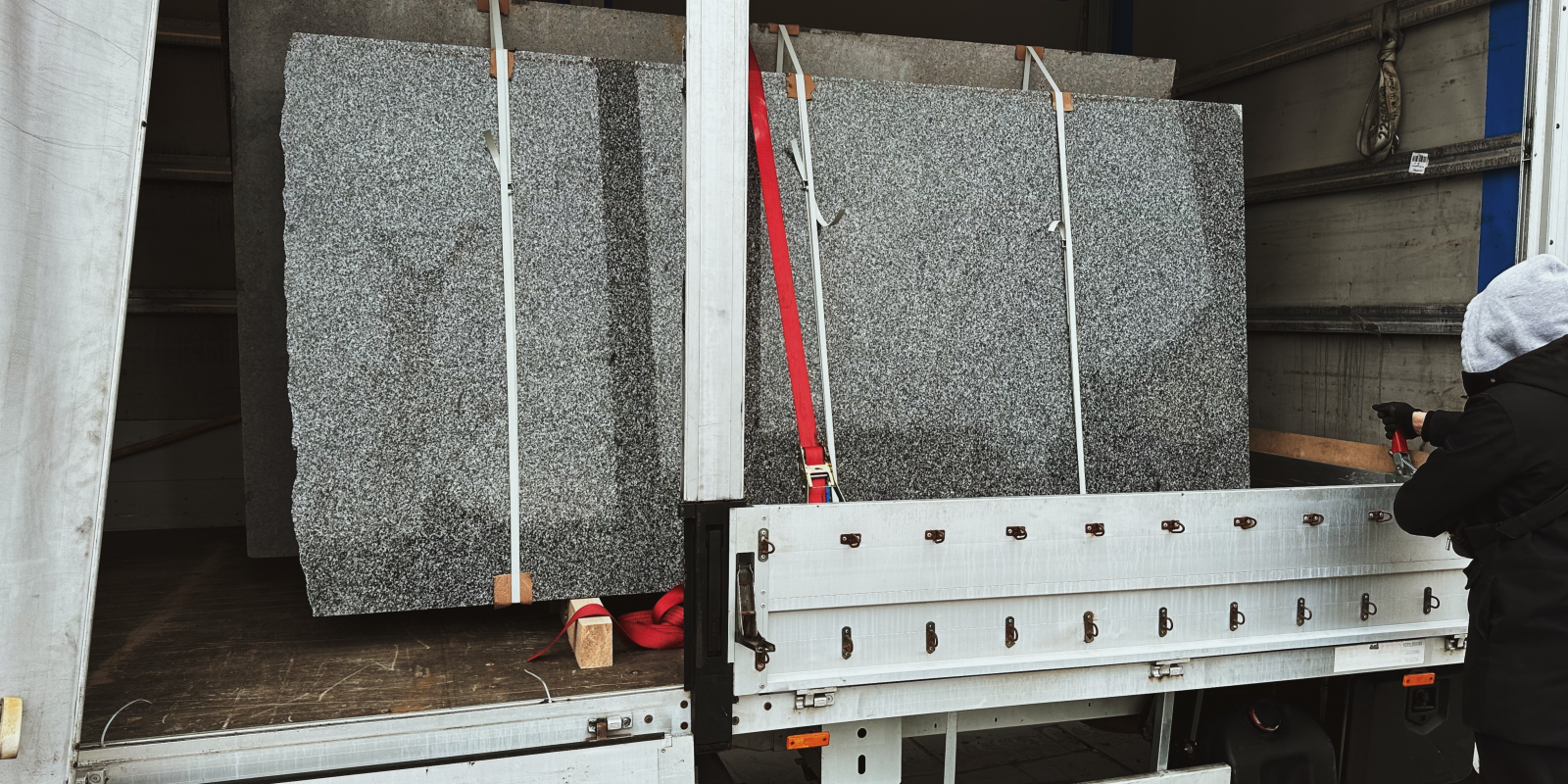
Tools and materials for polishing granite
You will need the following tools and materials to polish granite:
- Grinder. Depending on the size of the surface you are going to polish, choose the right size machine.
- Abrasive wheel. Use a coarse abrasive wheel for the initial grinding of granite, which can then be changed to a finer one for subsequent polishing.
- Polishing disks. For subsequent polishing of granite, use disks that can be dry or wet, depending on what kind of result you want.
- Coolant. When working with wet disks, coolant must be used to prevent the disks and granite from overheating.
- Safety glasses and respirator. You must protect your eyes and respiratory system while working with granite.
Polishing granite in steps
- Step 1: Clean the surface of granite from dust and dirt.
- Step 2: Place the coarse abrasive wheel on the grinder and begin grinding the granite. Move over the surface of the granite in a circular motion, making sure all of the granite is evenly sanded.
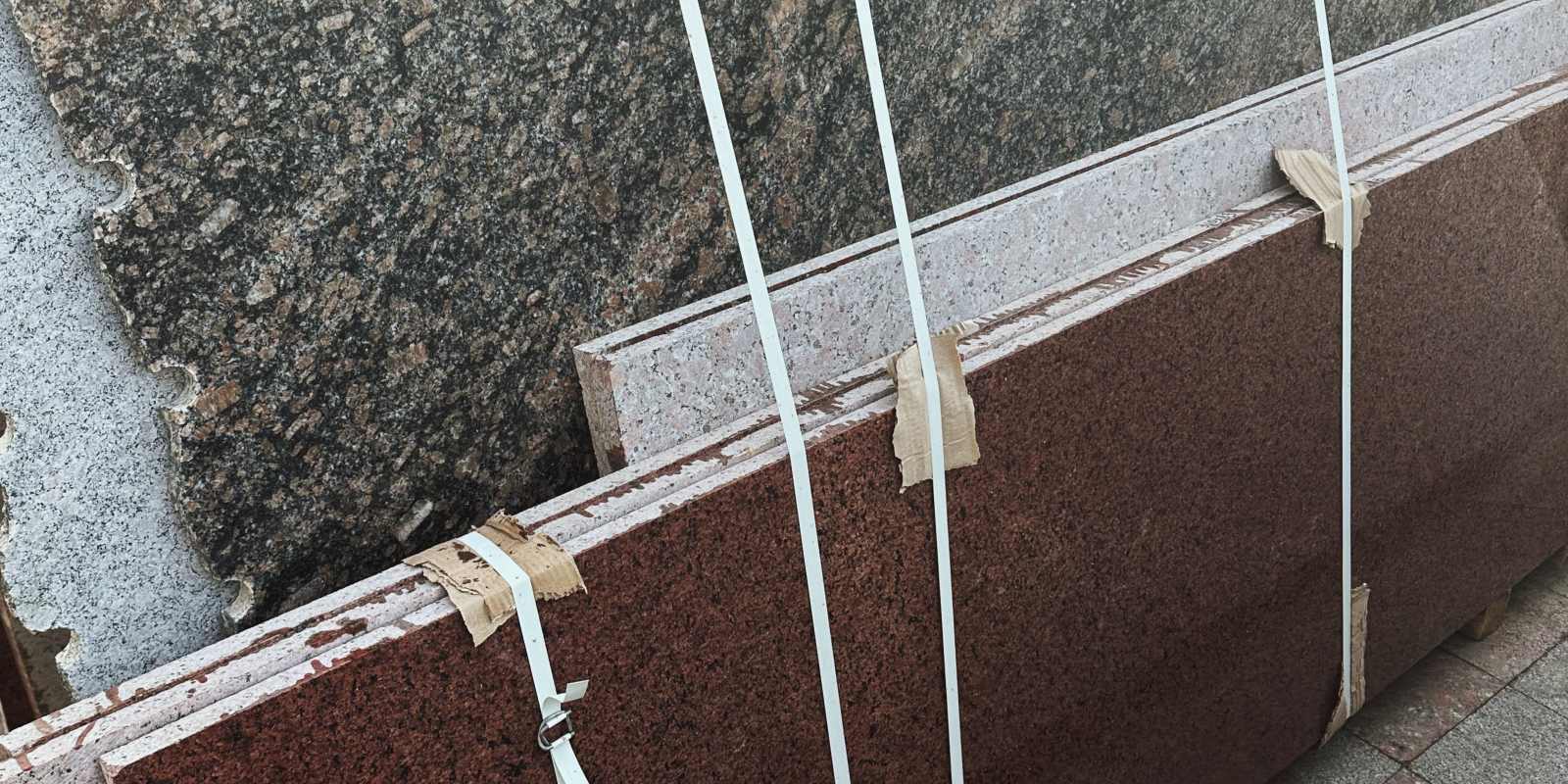
- Step 3: Replace the coarse abrasive wheel with a finer one and continue grinding the granite over the surface.
- Step 4: Place the polishing disk on the sander and begin polishing the granite. Use a wet disk and coolant for best results.
- Step 5: Apply polishing paste and polish. After polishing the stone with the sandpaper, you need to apply polishing paste. For this you can use a special polishing machine or just the manual method.
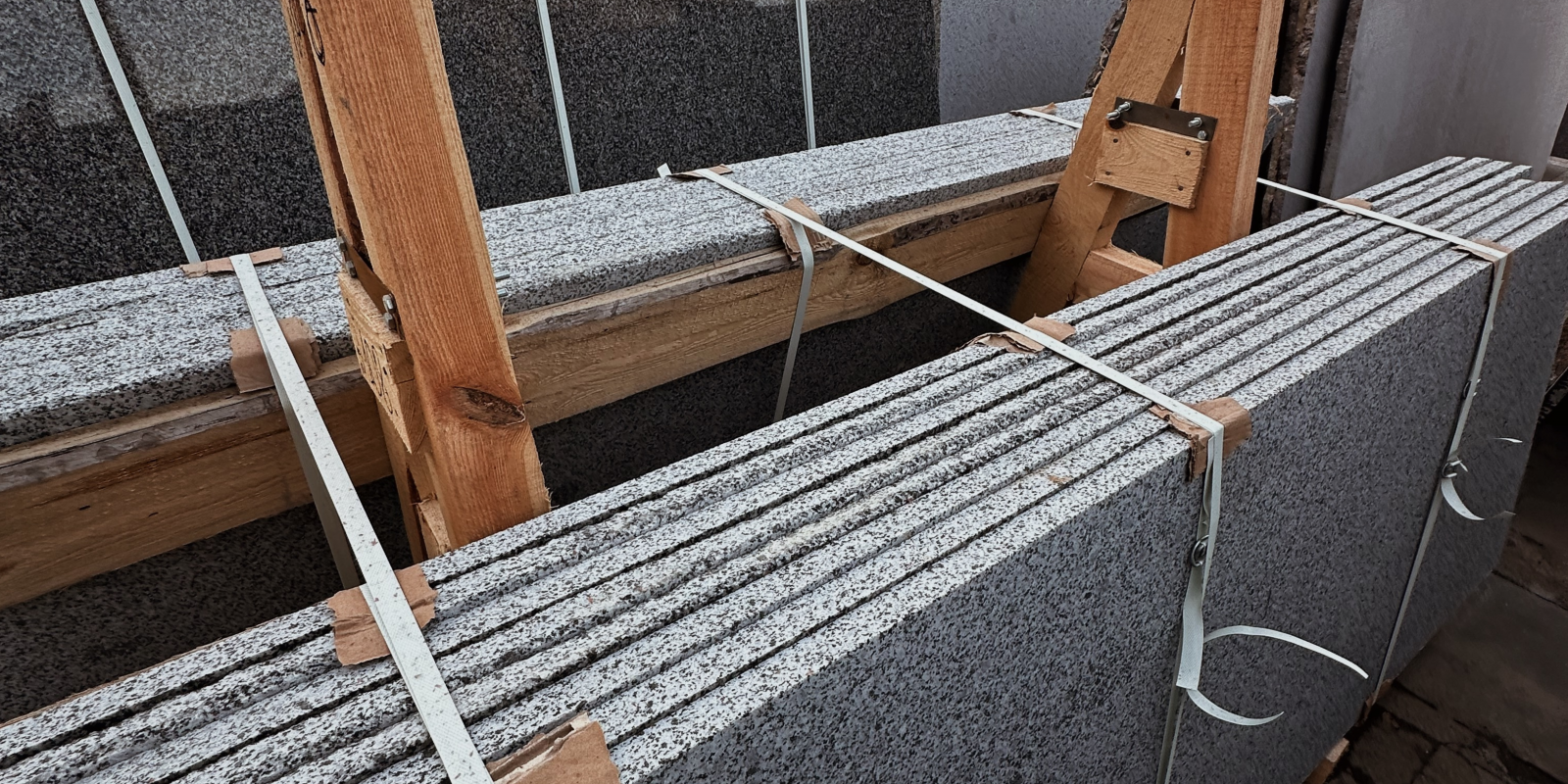
If you use a polishing machine, then pour the polishing paste on the disk and spread it evenly over the entire surface of the circle. Before you start polishing, turn on the machine and gently bring it into contact with the surface of the granite. Move the machine in a circular motion, paying special attention to corners and edges. Polishing should continue until the surface is smooth and shiny.
If you prefer the manual method, apply a small amount of polishing paste to a soft cloth and start polishing the granite surface. Remember to pay special attention to the corners and edges.
- Step 6: Removing residual paste and cleaning. Once the polishing is complete, you need to remove any residual polishing paste. To do this, use a soft cloth or a special brush attachment for your tool. Wipe the surface of the granite, removing any residual paste.
In conclusion, we can add that polishing granite with your own hands is a rather labor-intensive process that requires certain knowledge and experience. Therefore, if you are not sure of your abilities or experience, it is better to contact professional masters who will be able to perform the work qualitatively and safely.


